Hidden Gardens of Seoul: Green Oases in the City
Apr 26, 2026 · artive
Gardens tucked across Seoul—where to find urban nature, short walking ideas, and a calmer pace between towers.
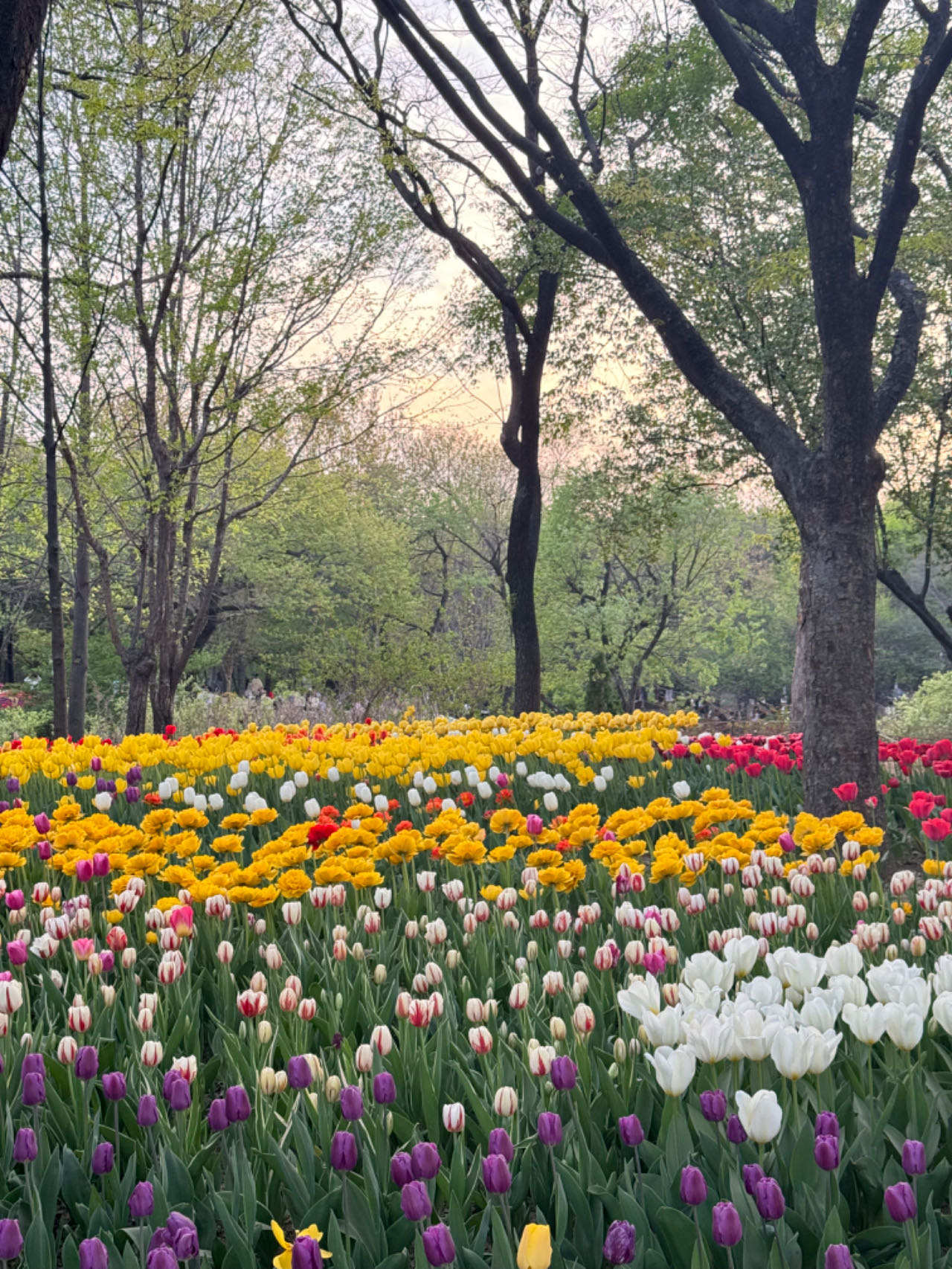
1. Introduction: finding gardens in the city
Seoul is often pictured as concrete and glass. Yet gardens hide in plain sight—pockets where citizens meet trees, flowers, and water without leaving town.
These places are everyday refuges: small breaks from hurry, invitations to meet nature on foot.
2. Notable “hidden” gardens
2.1. Seoul Botanic Garden
Location: Magok-dong, Gangseo-gu
A large public botanic garden with glasshouses, outdoor beds, and wetland zones—many plant communities in one ticket.
2.2. Gangnam ARK Garden (Gangnam Jeongwon context)
Location: Teheran-ro area, Gangseo/Gangnam green pockets
Parks and roof-level plantings amid high-rise corridors—proof you can still touch soil between towers.
2.3. Seoul Forest garden zones
Location: Ttukseom, Seongdong-gu
Seasonal beds in Seoul Forest track spring cherry, summer lotus, autumn color—a readable calendar in plants.
2.4. Namsan garden pockets
Location: Namsan, Jung-gu
Scattered gardens and paths offer views over the city; evening light on Seoul from a planted slope is especially memorable.
2.5. Jongno lane gardens
Location: Jongno-gu
Tiny courtyards and restored strips sit between hanok and shops—tradition and contemporary Seoul sharing one block.
3. Walking ideas
3.1. Spring loop (example)
- Seoul Botanic Garden → Gangnam green pockets → Seoul Forest
- Rough distance: ~8 km
- Time: ~3 hours (with breaks)
3.2. Summer loop (example)
- Namsan planted paths → Jongno lanes → Bukchon green edges
- Rough distance: ~5 km
- Time: ~2 hours
3.3. Autumn loop (example)
- Seoul Forest → Ttukseom river parks → Hangang riverside lawns
- Rough distance: ~6 km
- Time: ~2.5 hours
Adjust routes to your pace, transit, and the day’s heat or rain.
4. What these gardens share
4.1. Plant diversity
From native species to curated exotics, Seoul’s gardens host wide biodiversity—good for birds and pollinators too.
4.2. Clear seasons
The city’s latitude makes seasonal change obvious; each visit can feel like a new palette.
4.3. Harmony with urban fabric
Designers tuck soil and canopy beside infrastructure—evidence that nature can persist in dense districts.
5. Why it matters now
5.1. Mental health
Green pockets support stress relief and attention recovery—low-cost public wellness.
5.2. Environmental care
They remind citizens that conservation is possible downtown—not only in distant mountains.
5.3. Community
Shared benches and paths are places to meet—nature as common ground.
6. Visitor guide
6.1. Good times to go
- Spring: fresh green and blossom
- Summer: deep shade and evening breeze
- Autumn: maples and crisp air
- Winter: spare branches, sometimes snow
6.2. What to bring
- Comfortable shoes
- Camera or phone
- Water and a snack
- A simple map or transit app
6.3. Docent tips
- Compare how each garden frames sky versus canopy.
- Note one plant you have never seen before.
- Exchange a quiet nod with another walker—shared luck in finding green.
7. References
[1] Seoul Metropolitan Government. (n.d.). Seoul gardens. https://www.seoul.go.kr/
[2] Seoul Botanic Garden. (n.d.). https://botanicalgarden.seoul.go.kr/
[3] Seoul Forest. (n.d.). https://seoulforest.or.kr/
태그