Deoksugung and Windsor Castle: Change in the Modern Royal Palace
Apr 16, 2026 · artive
Joseon’s Deoksugung and Britain’s Windsor Castle. Compare how royal residences changed and adapted in the modern era.
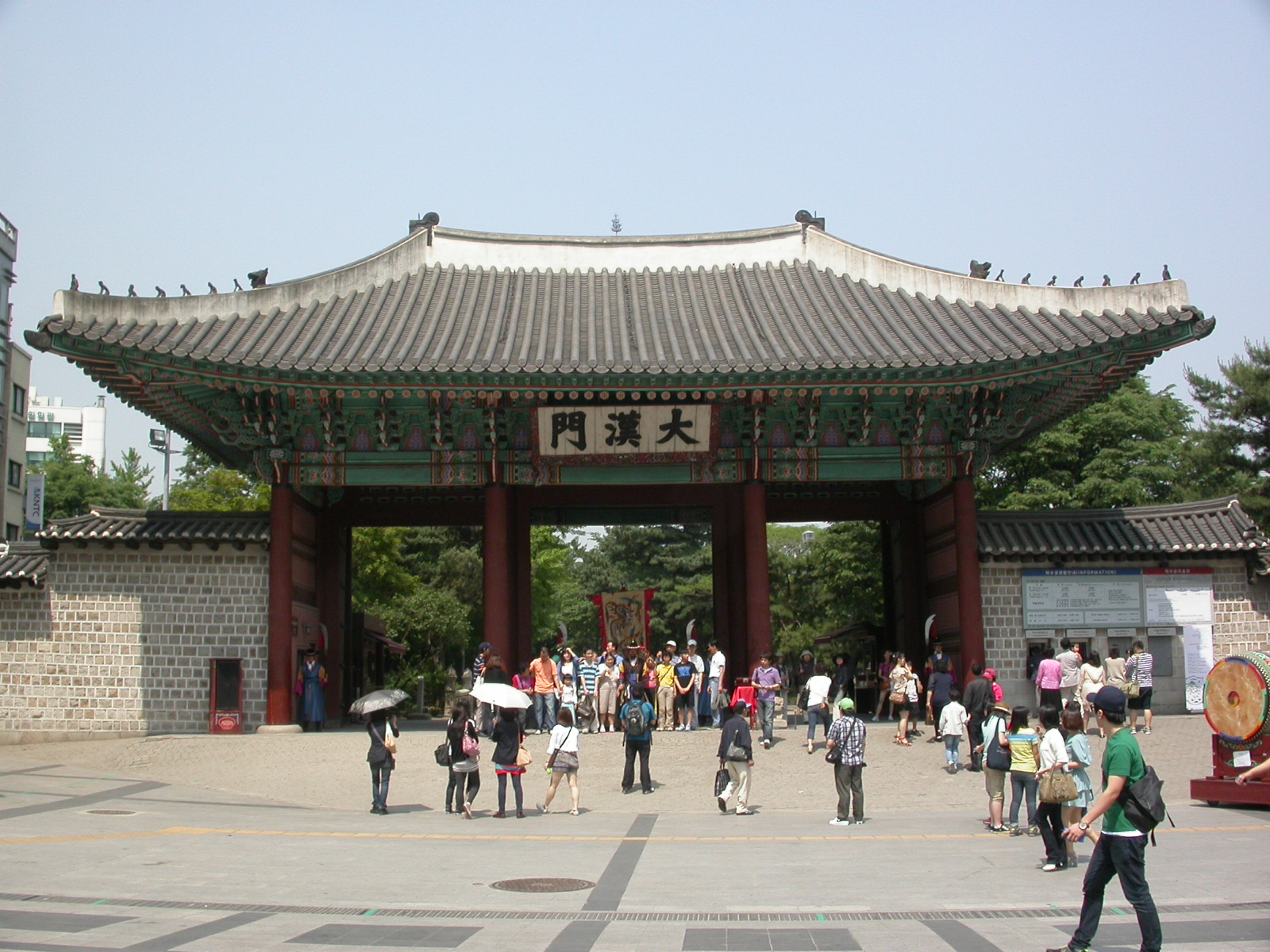
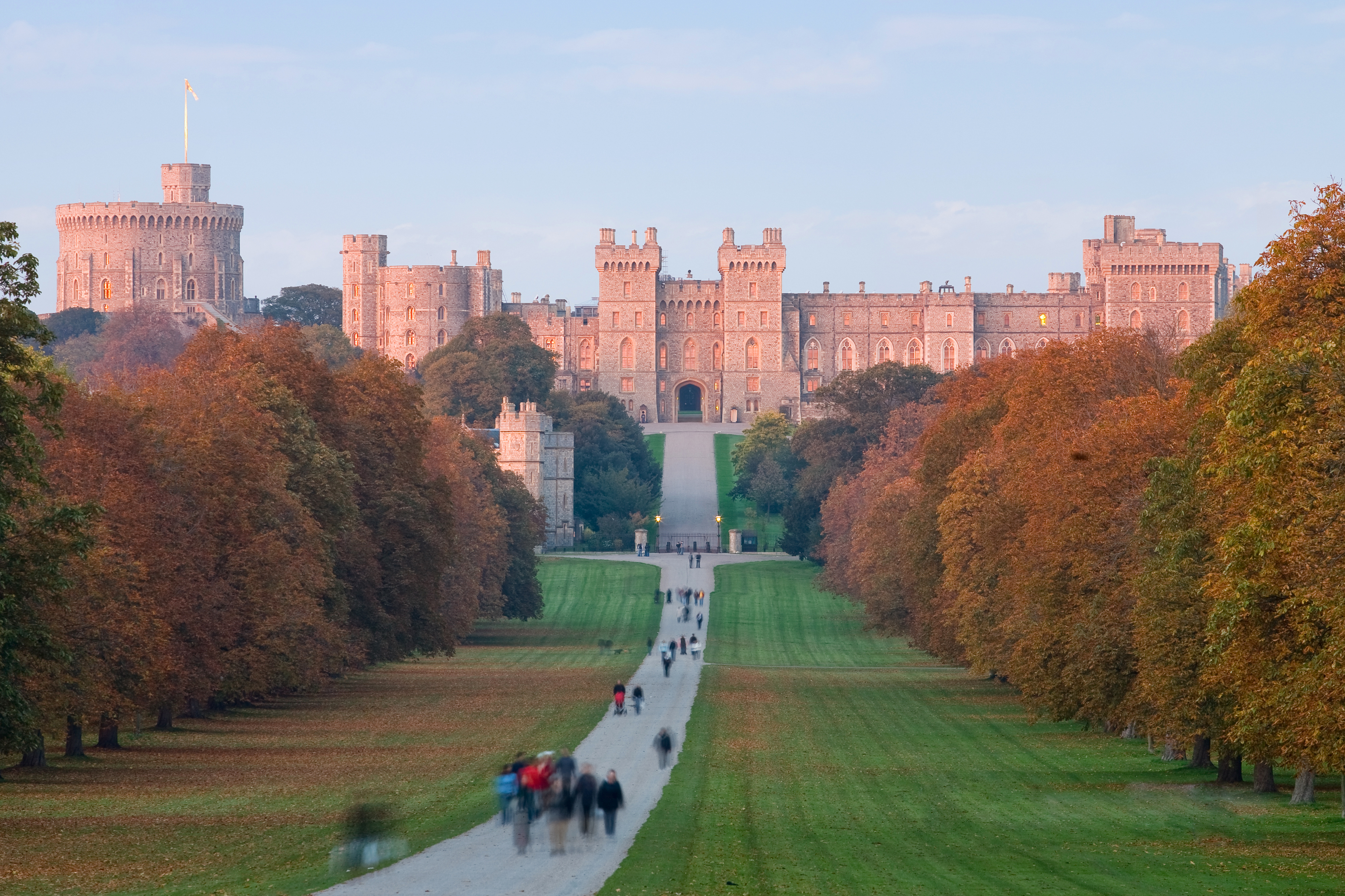
1. Introduction: Modern Palaces Adapting
Deoksugung and Windsor Castle show how royal palaces changed in the modern age. Each found a way to adapt to a new era.
- Deoksugung: abrupt leap from tradition to modernity
- Windsor Castle: tradition kept while fitting the modern world
2. Deoksugung: Abrupt Change
2.1. History
Deoksugung became Emperor Gojong’s palace. Gojong pushed the adoption of Western civilisation.
Western-style buildings appeared—Seokjojeon, Junmyeongjeon—examples of modern architecture on a Korean royal site.
2.2. Space
Deoksugung is a mix of tradition and modernity. Joseon timber halls and Western stone buildings stand together.
That spatial contrast expresses Korea’s path into modernity.
2.3. Meaning
Deoksugung is a centre of modern Korean history—a place where Korea’s modernisation visibly began.
3. Windsor Castle: Tradition in Step with Modernity
3.1. History
Windsor is the British royal family’s traditional seat—in use since the eleventh century.
It remained in use through the modern period.
3.2. Space
Windsor keeps the structure of a medieval castle while interiors were modernised.
That is adaptation without giving up tradition.
3.3. Meaning
Windsor symbolises continuity of the British monarchy—tradition and modernity side by side.
4. Comparing the Two Palaces
4.1. How Each Adapted
| Palace | Modern adaptation | How it shows |
|---|---|---|
| Deoksugung | Abrupt | New buildings added |
| Windsor Castle | Gradual | Interiors updated |
4.2. Spatial Organisation
Deoksugung:
- Sharp contrast of old and new
- New construction alongside old
- Sudden change
Windsor Castle:
- Traditional shell preserved
- Modern comfort inside
- Gradual change
4.3. Historical Meaning
Deoksugung: Korea’s modernisation
Windsor Castle: continuity of the British monarchy
5. Cultural Context
5.1. Deoksugung and Modern Korea
Deoksugung reflects Korea’s modernisation—importing the West, tension between tradition and the new.
5.2. Windsor Castle and British Tradition
Windsor reflects British royal tradition—long continuity, keeping symbolic forms.
6. Meaning Today
6.1. Many Paths to Modernity
Together they show different rhythms of change—sudden break vs slow adjustment.
6.2. Cultural Identity
Both show how identity can persist—each society modernised in its own way.
6.3. Witnesses to History
Both palaces hold the changes of their time.
6.3. Map
- 네이버 지도: https://map.naver.com/v5/search/Deoksugung%20and%20Windsor%20Castle
- 카카오맵: https://map.kakao.com/link/search/Deoksugung%20and%20Windsor%20Castle
- Google 지도 보기
6.4. FAQ
Frequently asked questions
-
Q. How long should I budget?
A. 60–90 minutes for highlights, or 1.5–2 hours for a slower walk. -
Q. Are hours/closure days fixed?
A. They can change due to seasons, events, or maintenance. Check the official notice before visiting. -
Q. Is it okay on a rainy day?
A. Watch for slippery stone paths, but the palace can feel more atmospheric after rain.
7. Visitor Guide
7.1. Deoksugung
- Location: Jung-gu, Seoul
- Best seasons: spring, autumn
- Focus: modern Korean history
7.2. Windsor Castle
- Location: near London, UK
- Best seasons: spring, summer
- Focus: royal tradition
8. References
[1] Cultural Heritage Administration (CHA). (n.d.). Deoksugung. https://www.cha.go.kr/
[2] Royal Collection Trust. (n.d.). Windsor Castle. https://www.royalcollection.org.uk/
[3] Encyclopedia of Korean Culture. (n.d.). Deoksugung. https://encykorea.aks.ac.kr/
태그