Deoksugung and Windsor Castle: Two Palaces of a Changing Modern Monarchy
Apr 12, 2026 · artive
Deoksugung, symbol of Korea’s modernisation, and Windsor Castle, guardian of British tradition. Compare how two royal houses changed in the modern era.
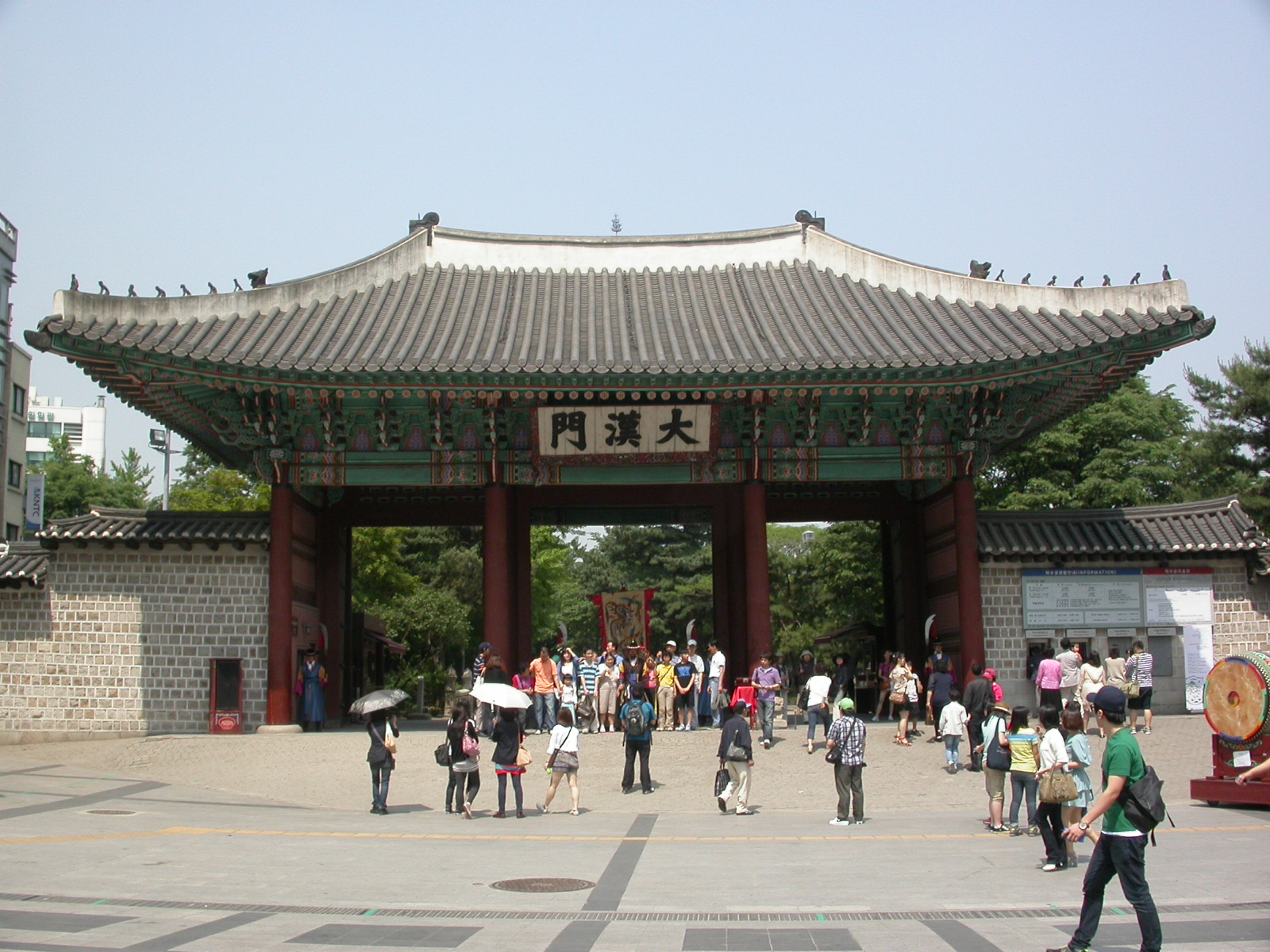
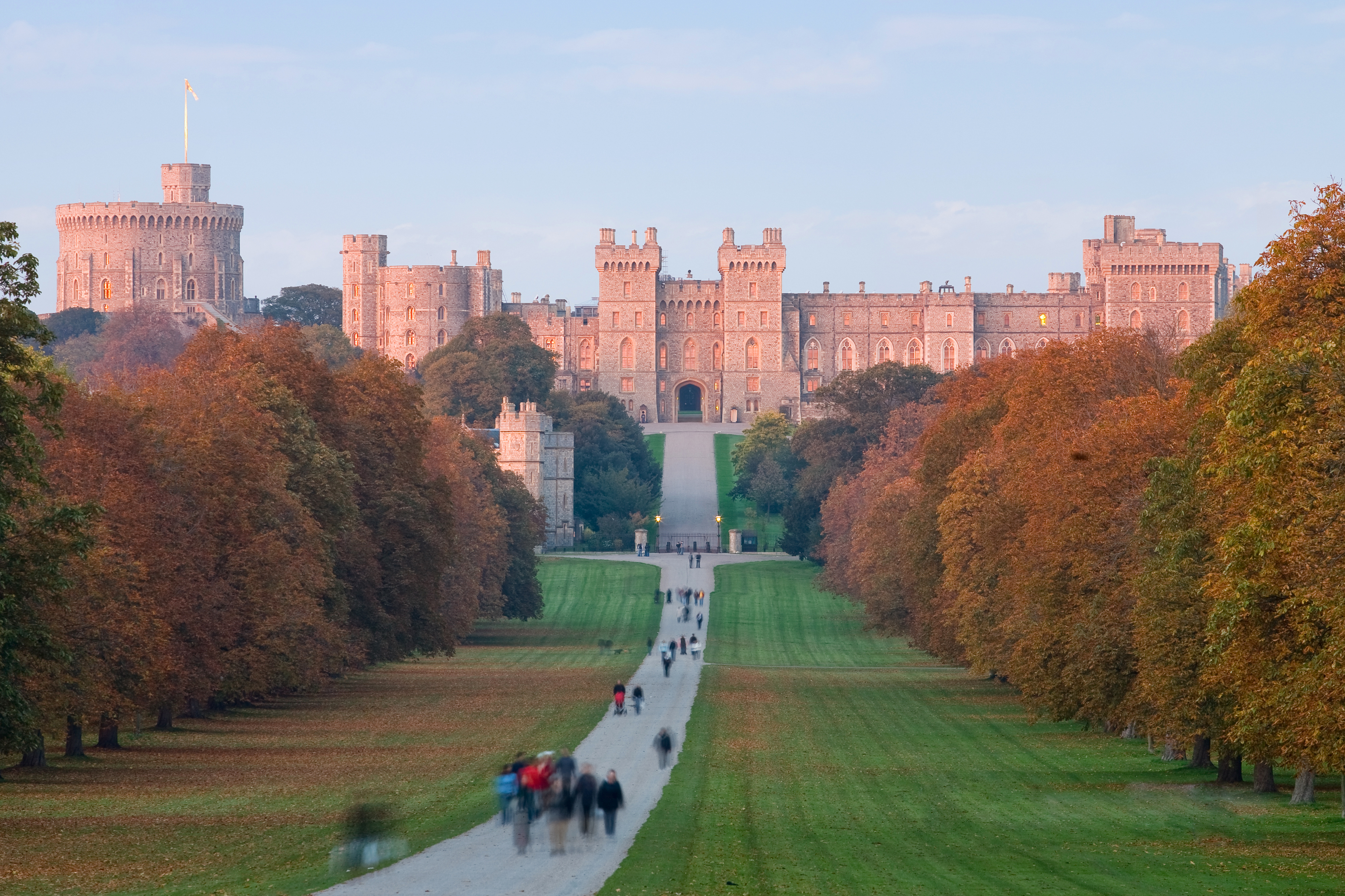
1. Introduction: Two Paths for a Modern Court
Deoksugung and Windsor Castle show how royal palaces could change in opposite ways in the modern age.
Deoksugung symbolised Korea’s drive to adopt Western civilisation under Emperor Gojong. Seokjojeon was Korea’s first Western-style palace building and expressed his reformist will.
Windsor Castle has been home to the British royal family for more than nine hundred years, showing how to keep tradition while still adapting to the times.
On one side, a palace beside traditional hanok where a late Joseon state facing imperialism placed a Western stone hall; on the other, a symbol of Britain that passed through constitutional monarchy and symbolic kingship, layer upon layer on stone walls. The same word “palace” covers very different national fates and royal roles—so the pace of change in the architecture feels different too.
2. Architectural Philosophy: Sudden Change vs Gradual Evolution
2.1. Deoksugung: Rapid Modernisation
What stands out at Deoksugung is the sharp coexistence of traditional and Western architecture. Junghwajeon (traditional) and Seokjojeon (Western) stand side by side.
That shows how fast Gojong pushed modernisation—but it also reveals cultural tension. Tradition and modernity clash rather than blend smoothly.
2.2. Windsor Castle: Gradual Evolution
Windsor has been a royal residence since the eleventh century. For more than nine hundred years it has kept evolving.
That evolution was gradual. New buildings were added while the older, traditional fabric remained. Windsor wears its history in layers.
2.3. Comparison: Revolution vs Evolution
Deoksugung sought revolutionary change—visible haste toward modernity.
Windsor sought evolutionary change—slow adaptation with tradition intact.
3. Materials: Stone vs Brick and Timber
3.1. Deoksugung: A Mix of Materials
Deoksugung uses many kinds of materials: timber and roof tiles in traditional halls, brick and stone in Seokjojeon.
That mixture symbolises cultural hybridity—Korean tradition and Western modernity in one place.
3.2. Windsor Castle: The Aesthetic of Consistent Stone
Windsor is built mainly of stone. For more than nine hundred years stone has anchored its identity.
Stone shows the marks of time. Old and new masonry together make history visible.
3.3. Comparison: Mixture vs Consistency
Deoksugung’s varied materials symbolise abrupt change.
Windsor’s consistent stone symbolises continuity and stability.
4. Royal Role: Reformer vs Conservative
4.1. Gojong at Deoksugung: Reformer
Emperor Gojong tried to modernise Joseon. Building Seokjojeon, installing electricity, building railways—all pointed toward modernisation.
But his reforms unfolded under external pressure, above all Japanese aggression. In the end they were frustrated, and at Deoksugung he lost his position as emperor.
4.2. The British Royal Family at Windsor: Conservative
The British monarchy acted as conservators of tradition. Through the Industrial Revolution and the rise of democracy it remained a symbol of continuity.
Yet it also adapted: it gave up absolute power, accepted constitutional monarchy, and reshaped its relationship with the public.
4.3. Comparison: Frustrated Reform vs Conservative Adaptation
Gojong’s reform was thwarted by outside force—too fast, and facing too strong an opponent.
The British monarchy’s conservative adaptation succeeded: tradition plus flexibility has carried the institution to the present.
5. The Palaces Today: Museum vs Home
5.1. Deoksugung: Museum
Deoksugung is now essentially a museum—a place where visitors learn history.
Its buildings are witnesses to modern Korean history: Seokjojeon for the dream of modernisation, Junmyeongjeon for Japanese aggression.
5.2. Windsor Castle: Home and Museum
Windsor is still a royal residence while also opening to visitors.
It is living history: a working home that also preserves the past.
5.3. Comparison: Past vs Present
Deoksugung is a palace of the past—remembering and teaching.
Windsor is a palace where past and present meet—preserving history while life goes on.
6. Historical Meaning: Two Roads to Modernity
6.1. Deoksugung: Frustrated Modernisation
Deoksugung stands for Korea’s frustrated modernisation. Gojong’s reform will was strong, but it broke against Japanese invasion.
It teaches the importance of resisting external pressure and modernising at one’s own pace.
6.2. Windsor Castle: Successful Adaptation
Windsor stands for Britain’s successful adaptation: the monarchy kept tradition while fitting democracy.
It teaches how to balance the need for change with the value of continuity.
6.3. Comparison: Resistance vs Adaptation
Deoksugung shows modernisation under pressure—trying to find one’s own path against outside force.
Windsor shows adapting tradition—accepting change while keeping identity.
6.3. Map
- 네이버 지도: https://map.naver.com/v5/search/Deoksugung%20and%20Windsor%20Castle
- 카카오맵: https://map.kakao.com/link/search/Deoksugung%20and%20Windsor%20Castle
- Google 지도 보기
6.4. FAQ
Frequently asked questions
-
Q. How long should I budget?
A. 60–90 minutes for highlights, or 1.5–2 hours for a slower walk. -
Q. Are hours/closure days fixed?
A. They can change due to seasons, events, or maintenance. Check the official notice before visiting. -
Q. Is it okay on a rainy day?
A. Watch for slippery stone paths, but the palace can feel more atmospheric after rain.
7. Meaning Today: What Can We Learn?
7.1. From Deoksugung
Deoksugung teaches autonomy: not being swayed by others, but changing at a pace you choose.
It also shows cultural identity: holding onto your own culture even while modernising.
7.2. From Windsor Castle
Windsor teaches flexibility: core values can stay while forms change.
It also shows continuity: more than nine hundred years of history built public trust.
7.3. Comparison: When to Resist vs When to Bend
Deoksugung teaches us when resistance matters.
Windsor teaches us when flexibility matters.
8. References
[1] Cultural Heritage Administration (CHA). (n.d.). Deoksugung. https://www.cha.go.kr/
[2] Royal Collection Trust. (n.d.). Windsor Castle. https://www.royalcollection.org.uk/
[3] Encyclopedia of Korean Culture. (n.d.). Deoksugung. https://encykorea.aks.ac.kr/
태그