Changgyeonggung and Schönbrunn Palace: Palaces of Queens, Female Power in East and West
Apr 13, 2026 · artive
Changgyeonggung for queen and crown prince, Schönbrunn for Maria Theresa. Compare how female power was expressed in East and West.

1. Introduction: Two Expressions of Female Power
Changgyeonggung and Schönbrunn Palace show how women’s power could be staged in very different ways.
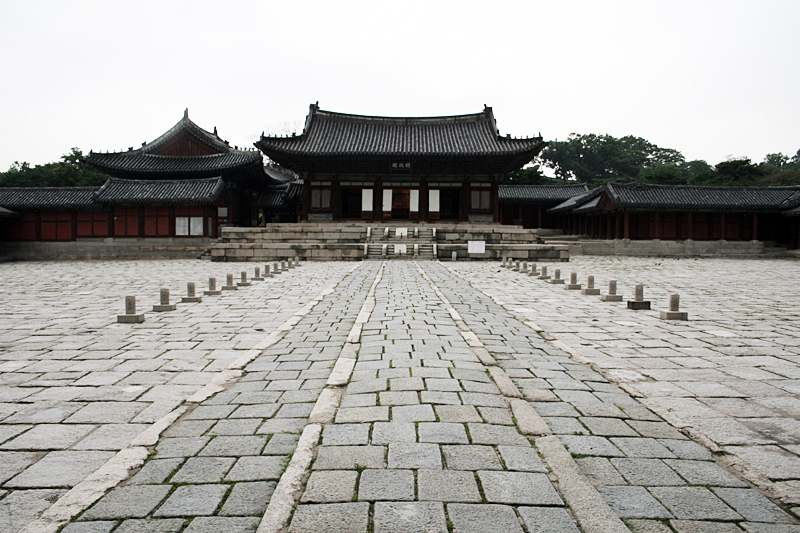
Changgyeonggung was a palace for the queen and crown prince, reflecting the lives of Joseon royal women. Queens could play political roles and at times wield influence greater than the king’s.
Schönbrunn was Maria Theresa’s residence, a high point of female sovereign power in Europe. She was Austria’s sole female ruler, and Schönbrunn embodied her authority.
Joseon queens spoke through the royal bedchamber, ritual, and in-law politics; the Habsburg female ruler through absolutism and dynastic marriage diplomacy. Do not judge the match only by glitter—walk asking for whom the space was built. That question is the core of this comparison.
For visitors to Changgyeonggung today, this piece works as a docent note on what spaces such as Myeongjeongjeon and Chundangji meant as residences for queen and heir; Schönbrunn is the counter-axis, evoking the Habsburg power theatre of Maria Theresa’s age. The contrast sharpens when you read together traces of actual residence and ritual and later wounds—war, empire, colonialism.
2. Scale: Restraint vs Splendour
2.1. Changgyeonggung: Quiet Elegance
Changgyeonggung is small in scale, but that smallness carries deep meaning.
Its architecture expresses female refinement: dignity through careful detail and placement rather than sheer size.
2.2. Schönbrunn Palace: Magnificent Grandeur
Schönbrunn is very large. With 1,441 rooms it is among Europe’s biggest palaces.
Its architecture proclaims imperial power. Maria Theresa was a woman, but her authority matched that of male emperors.
2.3. Comparison: Inner Elegance vs Outer Magnificence
Changgyeonggung expresses power through inner elegance—small but exquisite.
Schönbrunn expresses it through outer magnificence—large and splendid.
3. The Nature of Power: Influence vs Absolutism
3.1. The Joseon Queen at Changgyeonggung: The Power of Influence
Joseon queens did not hold absolute power, but they could wield great influence.
They advised on policy, sometimes shifted the king’s decisions, managed the royal consorts, and kept order in the inner court.
That influence was indirect but deep: politics moved from behind the throne.
3.2. Maria Theresa at Schönbrunn: Absolutism
Maria Theresa held absolute power as Austria’s sole female ruler, equal in authority to male emperors.
She directed war, legislated, and conducted diplomacy—direct, unmistakable power.
3.3. Comparison: Influence vs Absolutism
The Joseon queen moved power from behind.
Maria Theresa decided from the front.
4. Architectural Style: Eastern Delicacy vs European Opulence
4.1. Changgyeonggung: Eastern Delicacy
Changgyeonggung follows East Asian aesthetics: timber, harmony with nature, beauty in fine detail.
That language stresses feminine qualities—soft, graceful, refined.
4.2. Schönbrunn Palace: European Splendour
Schönbrunn follows European aesthetics: stone and brick, geometry, splendour as a sign of power.
That language stresses authority and scale—big, ornate, overwhelming.
4.3. Comparison: Delicacy vs Splendour
Changgyeonggung: delicate beauty as power.
Schönbrunn: splendid grandeur as power.
5. Garden Philosophy: Contemplation vs Display
5.1. Changgyeonggung: Space for Contemplation
The gardens (especially Chundangji) were spaces for contemplation. Queen and heir rested and reflected here.
They seek harmony with nature, not domination—living with the land.
5.2. Schönbrunn: Space for Display
Schönbrunn’s gardens are spaces of display. Vast parterres proclaim Maria Theresa’s power.
They pursue command over nature—geometry and artifice aligned to the ruler’s will.
5.3. Comparison: Contemplation vs Display
Changgyeonggung: inner calm.
Schönbrunn: outer magnificence.
6. Historical Outcomes: Tragedy vs Glory
6.1. Changgyeonggung: The Tragedy of Empress Myeongseong
Changgyeonggung is bound to the tragedy of Empress Myeongseong, assassinated in the palace by Japanese troops in 1895.
The episode symbolises the tragedy of the Joseon court: it was not a safe haven for royal women.
6.2. Schönbrunn Palace: Maria Theresa’s Glory
Schönbrunn is remembered for Maria Theresa’s glory. She ruled Austria from here; her reforms helped make the state strong.
The palace symbolises successful female rule.
6.3. Comparison: Tragedy vs Glory
Changgyeonggung: frustrated female power.
Schönbrunn: successful female power.
6.3. Map
- 네이버 지도: https://map.naver.com/v5/search/Changgyeonggung%20and%20Sch%C3%B6nbrunn%20Palace
- 카카오맵: https://map.kakao.com/link/search/Changgyeonggung%20and%20Sch%C3%B6nbrunn%20Palace
- Google 지도 보기
6.4. FAQ
Frequently asked questions
-
Q. How long should I budget?
A. 60–90 minutes for highlights, or 1.5–2 hours for a slower walk. -
Q. Are hours/closure days fixed?
A. They can change due to seasons, events, or maintenance. Check the official notice before visiting. -
Q. Is it okay on a rainy day?
A. Watch for slippery stone paths, but the palace can feel more atmospheric after rain.
7. Meaning Today: Many Forms of Women’s Power
7.1. From Changgyeonggung
Changgyeonggung shows the value of indirect power—women who shaped events without holding the top title.
It also shows vulnerability: women’s position depended on male protection; when that failed, power collapsed.
7.2. From Schönbrunn Palace
Schönbrunn shows that direct rule by a woman was possible.
It also shows successful female leadership: Maria Theresa’s reforms brought prosperity.
7.3. Comparison: Influence vs Authority
Changgyeonggung teaches that influence matters—deep effect without formal supremacy.
Schönbrunn shows that women could hold power in their own right.
8. References
[1] Cultural Heritage Administration (CHA). (n.d.). Changgyeonggung. https://www.cha.go.kr/
[2] Schönbrunn Palace. (n.d.). https://www.schoenbrunn.at/
[3] Encyclopedia of Korean Culture. (n.d.). Changgyeonggung. https://encykorea.aks.ac.kr/
태그